How to Sell Your Home in Cherry Hill, NJ: A Step-by-Step Guide
 By Bob Millaway
Selling a home in Cherry Hill is a process with a lot of moving parts: pricing, staging, showings, attorney review, inspections, and a closing that in New Jersey runs on its own clock. If you are listing a colonial in Woodcrest, a split-level in Kingston Estates, or a townhouse near the Cherry Hill Mall, the steps are the same, and knowing them in advance is what keeps the process calm instead of chaotic. This guide walks through how to sell your home in Cherry Hill step by step, explains what the state's attorney review rule means for your transaction, and gives you a realistic picture of costs and timing.
What does selling a home in Cherry Hill involve?
A typical Cherry Hill sale moves through eight stages: prepare the house, price it, list it, market it, negotiate the offer, let the attorneys review the contract, complete inspections and the appraisal, and close. In South Jersey, plan for roughly two to three months from the day you sign your listing agreement to the day you hand over the keys. Most of that time is not spent finding a buyer. It goes to the buyer's mortgage, your attorney's review, and the closing routine, which is why the best sellers treat the calendar as part of the plan from day one.
Buyers relocating to Cherry Hill usually come for the school districts, the Route 70 and Route 38 corridors, and the 20-minute drive into Philadelphia. What they choose between is neighborhoods: the PATCO-adjacent streets of Woodcrest and Ashland, the mid-century blocks of Kingston Estates, and the premium addresses around Barclay Farm and Springdale. Each area attracts a slightly different buyer, but the mechanics of the sale are the same everywhere in town.
How do you prepare a Cherry Hill home for sale?
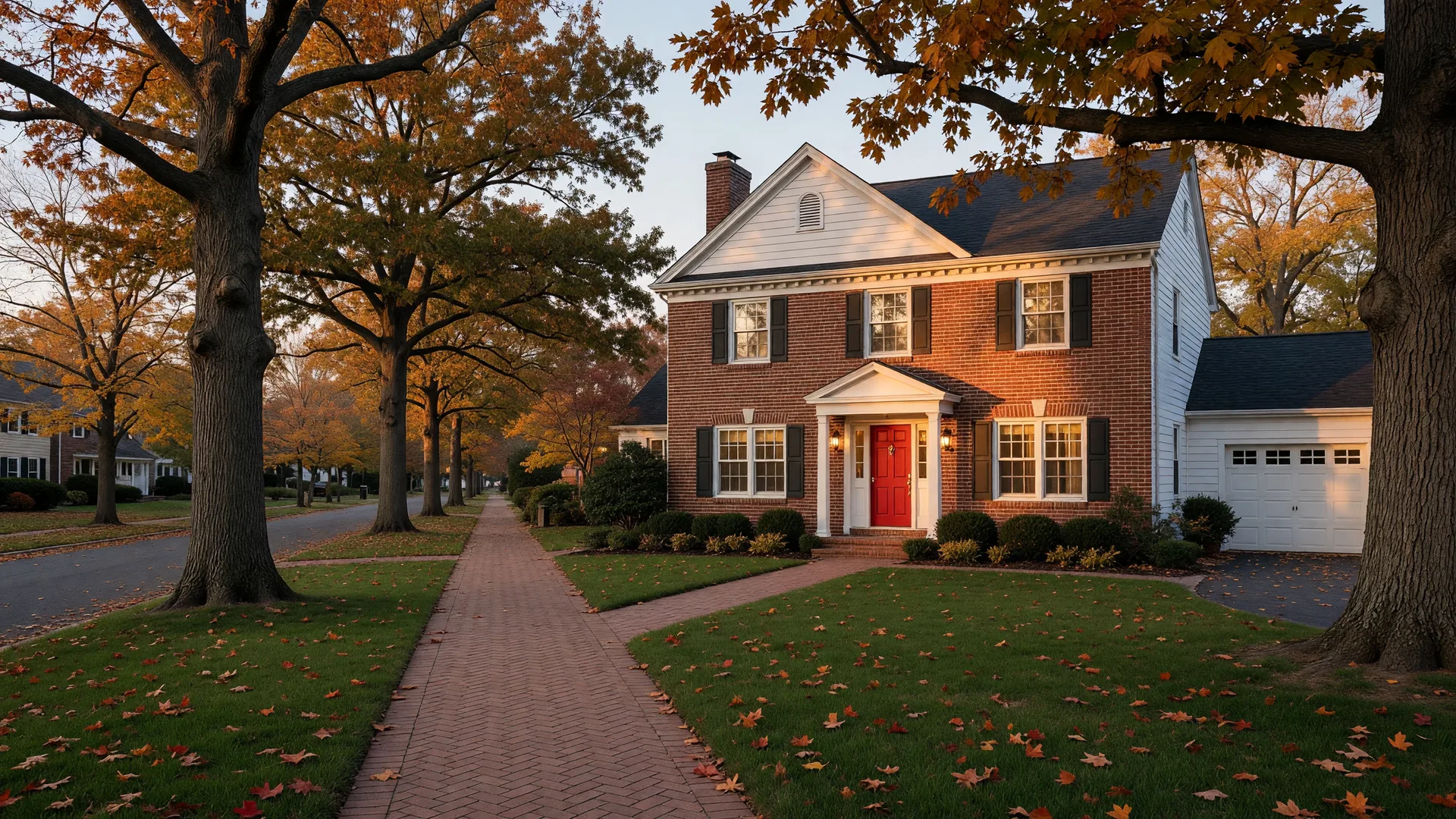
Buyers in Cherry Hill are comparing your home against polished competition, and the first impression happens before anyone walks inside. Start with curb appeal: the front lawn, the walkway, the front door, and the windows are what people see from the street on Route 70-side drives and weekend open houses. In the fall months when most of Cherry Hill lists, that means raking leaves, cleaning gutters, and making sure the exterior holds up to the rainy season. Inside, declutter every room, depersonalize family photos and collections, and let natural light do the work. A neutral, uncluttered home photographs better and shows better, and the room-by-room staging guide takes you through each space.
Tackle the obvious repairs before a buyer's inspector finds them: leaking faucets, sticky doors, cracked tiles, and burned-out bulbs are small things that read as neglect. If your home is a 1960s colonial or split-level, common in Kingston Estates, Barclay, and Woodcrest, consider whether your water heater, furnace, or roof are near the end of their useful life, because buyers will ask. You do not need to remodel before selling, but you do want the house inspection-ready. For anything you cannot do yourself, the reliable contractors guide has vetting advice for hiring pros in town.

How should you price your Cherry Hill home?
Pricing is the single biggest decision in the sale, and the right number comes from your immediate neighborhood, not an average of the whole town. Cherry Hill's three ZIP codes tell different stories: 08002 and 08034 skew toward mid-century single-family homes, while 08003, the Springdale area, carries a premium. The Cherry Hill home prices guide and the 2026 ZIP-by-ZIP market data show how much those differences matter. A good listing agent builds a pricing strategy from recently closed sales on your street, active competition, and the pace buyers are moving.
The danger of overpricing is quiet: your home gets the most attention in the first two to three weeks of exposure, and the listing that sits misses the audience it would have had at the right price. In the October 2026 market update, the typical Cherry Hill home spent about 32 days on market, and the days on market guide explains what that pace means for your strategy. If competition in your price band is thin, you may have room; if homes near you are sitting, price to the data, not the wish. Timing your listing can also shift the outcome, and the best time to sell guide breaks down the seasonal patterns in the Cherry Hill market.
What is attorney review, and why does New Jersey have it?
New Jersey is an attorney state, which is the part of the process that surprises out-of-state sellers the most. After you and the buyer sign the deal, a mandatory three-business-day attorney review period begins. The clock starts the first business day after the fully signed contract is delivered to both parties, skips weekends and New Jersey holidays, and ends at 11:59 p.m. on the third business day. During that window, either side's attorney can propose changes, renegotiate terms, or disapprove the contract entirely and cancel the sale with no penalty. Most Cherry Hill sales sail through it, but it exists for a reason: both sides get a real look at the paperwork while there is still time to act.
Practically, that means you should have your real estate attorney selected before you accept an offer, not after. Both parties can agree in writing to extend the review period when negotiations need more time. Your agent can share referrals, but choose someone you are comfortable with, because your attorney protects you through the rest of the transaction too.
What happens between the accepted offer and closing?
Once attorney review clears, the escrow period begins. The buyer orders a home inspection, typically conducted within a week or two of the contract, and you will see the findings and have a chance to respond. Expect a request to fix or credit items like aging water heaters, outdated electrical panels, or chimney or roof issues that turn up. If repairs involve electrical, plumbing, or structural work, check whether the job needs a township permit, and the Cherry Hill permits guide covers when that applies.
Buyers using a mortgage also order an appraisal, which is a separate check that the house supports the agreed price; if it comes in low, the two sides renegotiate or the buyer brings more cash. Your attorney and the buyer's attorney handle the title search, review the deed and easements, and prepare the settlement documents. In New Jersey the buyer usually pays for title insurance, though that is sometimes negotiated, and the final walkthrough happens in the last days before closing, when the buyer confirms the home is in the agreed condition and everything sold with the house is still there.
How much does it cost to sell a home in Cherry Hill?
Sellers pay the biggest share of transaction costs in New Jersey. The commission, typically paid at closing and split between the buyer's agent and the listing agent, is the largest single line item, and it is negotiable when you interview agents. On top of that, New Jersey sellers pay the state Realty Transfer Fee, which starts around 0.4% of the sale price and steps up in tiers at higher prices, plus your own attorney's fee and any repairs or credits you negotiate with the buyer. Property taxes are also prorated at closing, which matters in Cherry Hill because the annual tax bill is substantial; the property tax guide lays out what the numbers look like in this town.
The flip side is what you walk away with. The math that matters to you is the sale price minus your mortgage payoff, closing costs, and taxes, which is your equity. A pricing conversation with your agent should always include a realistic estimate of net proceeds, so you know what the move actually funds.
How long does it take to close a home sale in Cherry Hill?
Across New Jersey, sellers commonly see about 35 days from listing to an accepted offer and roughly 38 more days from contract to closing, for a total of about 73 days from listing to key handover. All-cash deals can close in as little as 30 to 45 days, while conventional financed sales typically need 60 to 75 days after the offer is accepted. In Cherry Hill today, with the typical home going under contract in about a month, a well-priced, well-staged house can realistically move from listing to closing in about ten to twelve weeks. Layers of contingencies, inspections that uncover issues, and appraisal gaps all add time, which is another reason to price and prepare carefully up front.
If you are weighing when to start, look at the Cherry Hill real estate market page for the current balance between buyers and sellers. Sellers who list in a slower season often face fewer competing listings, but buyer demand also moves with the school year and the weather. There is no single correct month, only a correct price and a correct plan for yours.
Frequently asked questions about selling a home in Cherry Hill
How long does it take to sell a home in Cherry Hill, NJ?
The typical Cherry Hill home has been going under contract in about 32 days. From listing to closing, plan on roughly ten to twelve weeks: about 35 days to find a buyer plus about 38 days of escrow after the contract is signed.
What is attorney review in a New Jersey home sale?
New Jersey gives both sides a mandatory three-business-day review period after the contract is signed, during which either party's attorney can propose changes or cancel the sale without penalty. The clock starts the first business day after the fully signed contract is delivered to both parties.
Who usually pays closing costs when selling a home in New Jersey?
Sellers typically pay the real estate commission, the New Jersey Realty Transfer Fee (starting around 0.4% of the price), their own attorney's fee, and any negotiated repairs or credits. Buyers usually pay for title insurance, and property taxes are prorated at closing.
How do you price a home in Cherry Hill?
Price from recent closed sales in your immediate neighborhood, not a town-wide average, because home values differ sharply between the 08002, 08003, and 08034 ZIP codes. A listing agent's comparative market analysis plus the pace of buyers in your price band give the strongest number.
What repairs should you make before selling in Cherry Hill?
Fix the small things buyers notice, like leaks, sticky doors, and cracked tile, and pay attention to aging water heaters, furnaces, roofs, and electrical panels, which will show up in the buyer's inspection. You do not need to remodel, but the house should be inspection-ready.
Do you need a real estate attorney to sell a home in New Jersey?
Yes. New Jersey is an attorney state, and virtually every home sale involves attorneys on both sides. Your attorney handles the attorney review period, the title review, and the settlement documents, and it is smart to have one selected before you accept an offer.
Can you sell a home in Cherry Hill without a real estate agent?
You can list a home yourself in New Jersey, but it is an unusual fit in this market. Pricing, marketing, showings, and negotiation in a fast-moving market like Cherry Hill are hard to match on your own, and sellers who use an agent typically net more through better pricing and negotiation.
Have questions about Cherry Hill? Contact Bob Millaway at 856.426.1522, and Bob will help you work through pricing, preparation, and the whole selling process, whether you are listing this fall or planning a move next year.
Keep Exploring Cherry Hill
More guides from Bob Millaway to help you love where you live.
Written by Bob Millaway
Your Cherry Hill community expert. Have questions about Cherry Hill, selling your home, or anything about living in town? Contact Bob Millaway at 856.426.1522 or get in touch.